Sourcing decisions
Ready-Stock or Custom Handbags: Which Buying Route Fits?
Compare finished-stock handbag buying with OEM/ODM development: order quantity, design changes, samples, availability and the information needed for a quote.
By SHIREBAGPublished: 3 min read
SHIREBAG offers two different buying routes. Ready stock is for existing finished bags, including small requests from 1 piece. Custom manufacturing is for a collection developed around your requirements. Choosing the correct route first avoids a misleading MOQ, a quotation for the wrong product or expectations that existing inventory can be redesigned.
In this guide
Choose ready stock when the existing item fits
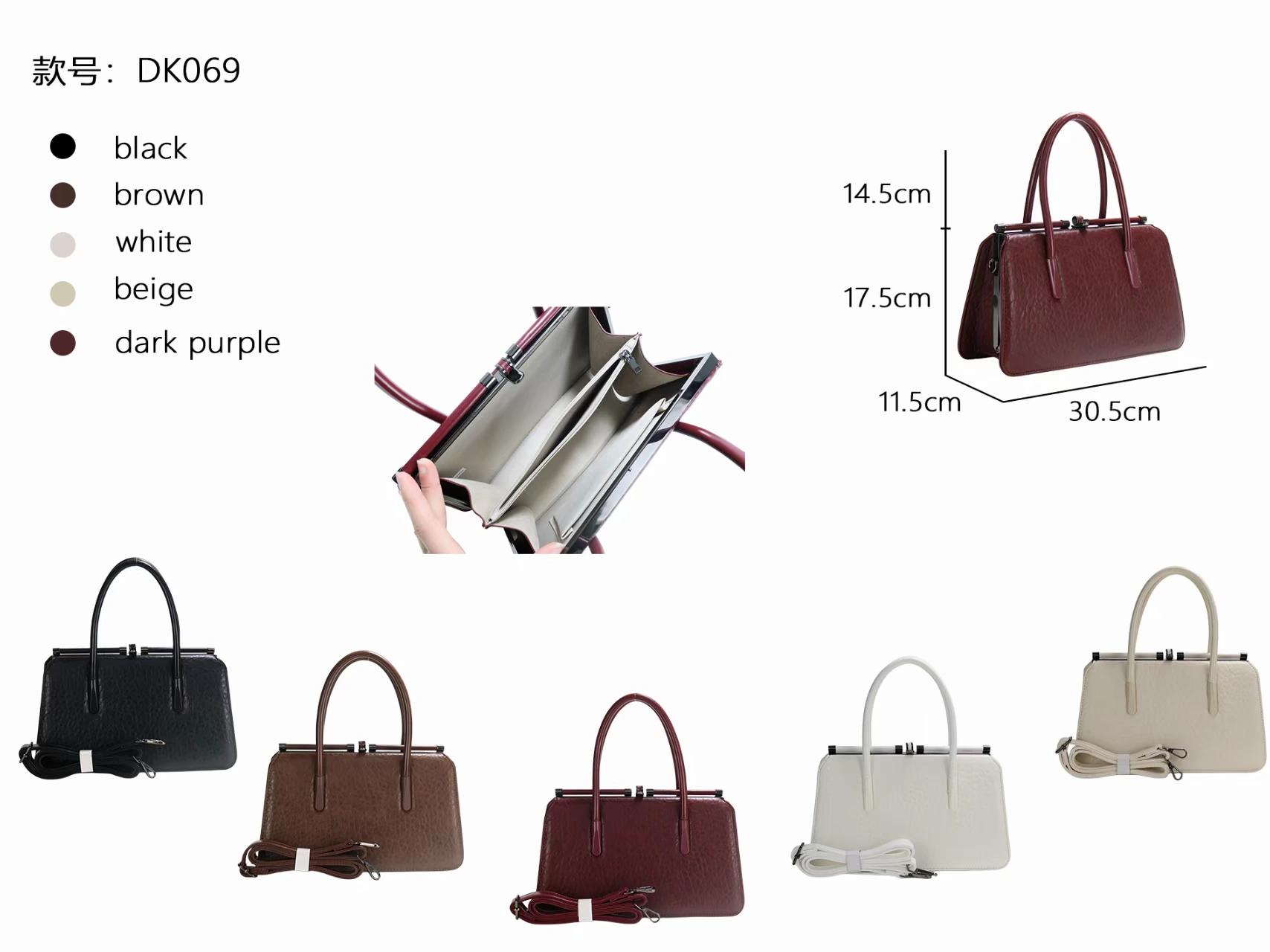
This route suits a buyer who wants to purchase a shown style and available color without development changes. It can be useful for a small assortment or a limited purchase. You still need confirmation of current availability, actual specifications, condition and shipping. A photo is a starting point for selection, not a guarantee that every pictured option remains in stock.
Choose custom manufacturing when the specification matters
Use the custom route when you require your own logo, a different material, changed dimensions, specific hardware or another construction. Send a design, reference style or tech pack and an estimated quantity. The team can then discuss feasibility, sampling and a production quotation. Do not apply the ready-stock one-piece offer to private-label manufacturing.
Compare cost on the same basis
For ready stock, ask for the price of the selected finished items and shipping. For custom work, ask which development, sample, tooling, packaging and freight items are included or quoted separately. Comparing only a bag unit price can conceal different specifications or excluded costs. Confirm currency, quantity basis and quote validity in writing.
Do not confuse availability with dispatch or delivery
An item being listed in the stock collection does not establish its dispatch date. Confirm that the requested color and quantity remain available, then ask about preparation and the quoted shipping method. A custom order also needs agreement on sample approval and production scheduling. Neither route should be planned around an unconfirmed delivery promise.
Think about repeat orders before your first purchase
Existing stock can sell out, and the same style or color may not be available for a later repeat order. If continuity is essential, discuss that requirement before buying. A custom project needs its own repeat-order discussion, including material availability and the approved specification. Keep the stock SKU or approved sample reference in every follow-up.
Send the right first message
For stock, send SKU, color, quantity and destination. For a custom collection, send the design direction, dimensions, material, branding details, estimated quantity and target timeline. If you are considering both routes, separate the two requests so a stock availability check is not mistaken for a custom production quote.
Review the original stock references
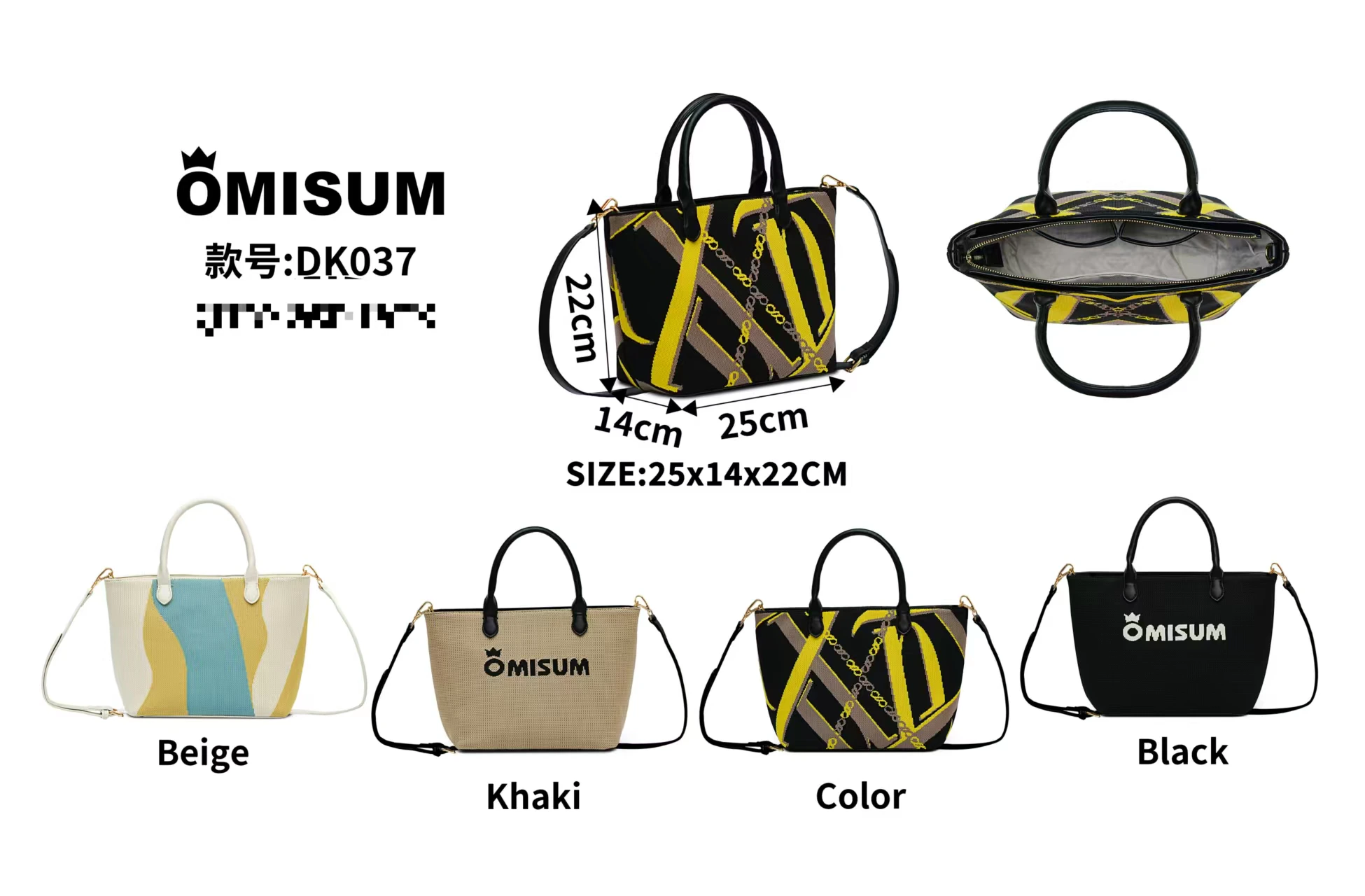
Existing finished products, no customization. Confirm current colour availability and shipping.