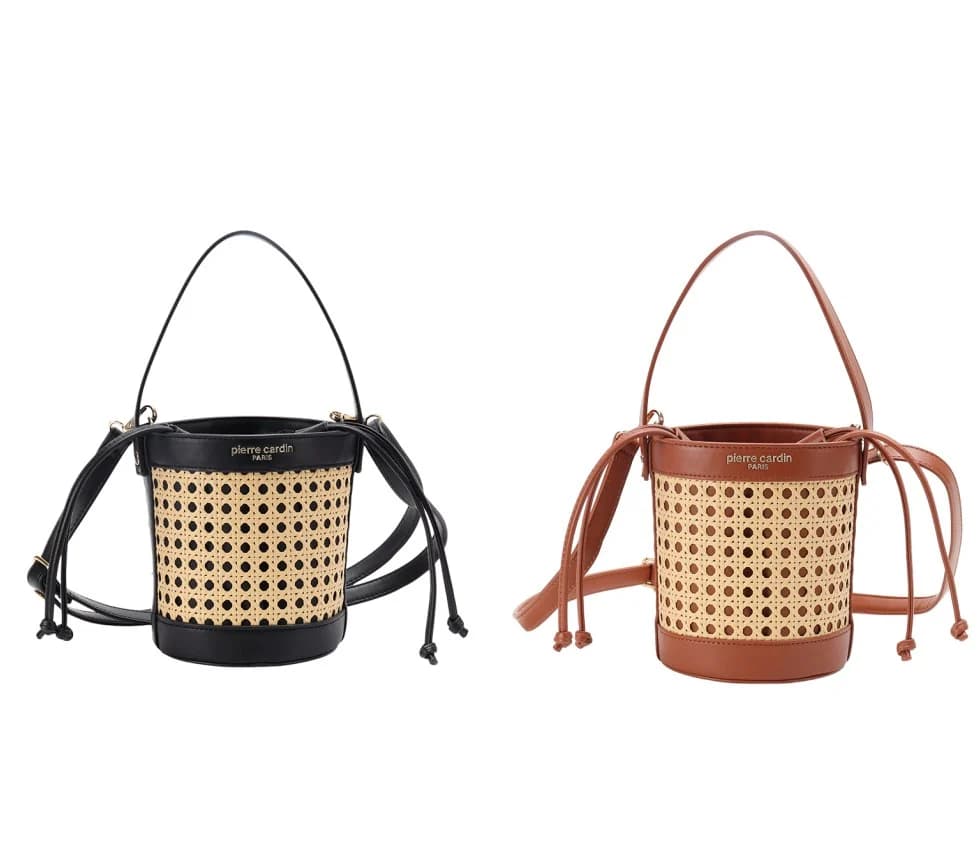
Materials and finish
Handbag Colour Matching: From Screen References to Batch Approval
Set a clear colour-approval process for handbag materials, lining, stitching and hardware without treating photos as exact colour standards.
By SHIREBAGPublished: 2 min read
Camel, beige and khaki are useful starting descriptions, but they are not precise production standards. Screens, lighting and different material surfaces can change how a colour appears. A documented approval process makes a colour discussion more useful than exchanging unlabelled photographs.
In this guide
Choose the controlling reference
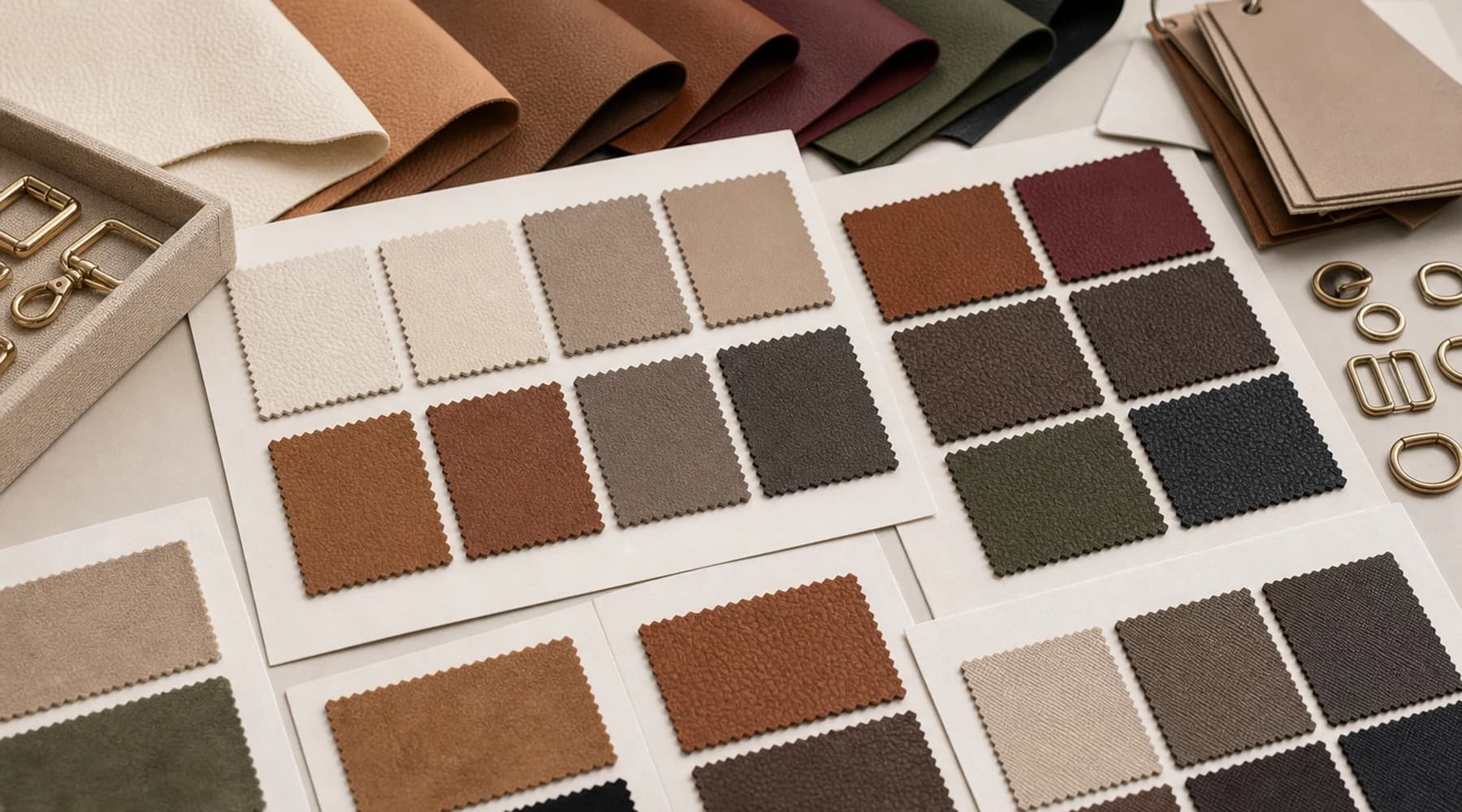
Agree whether an approved physical swatch or another specified reference controls the order. Record its identity, date and material. A screen image can explain a direction, but should not silently become the final standard. If using a colour-system reference, confirm how it will be interpreted on the actual material and finish being sourced.
Compare the full combination
Review the outer material alongside lining, thread, edge finish and hardware. Matching every component exactly may not be feasible or desirable, but the intended relationship should be approved. A dark lining with a light outer material is a design choice, not an automatic mismatch. Record intentional contrasts so they are not changed during later sourcing.
Keep viewing conditions consistent
Ask for labelled photographs under consistent lighting and use physical comparisons for important decisions. Avoid editing the approval images with filters that change the shade. Compare like surfaces and note whether sheen or texture is influencing the appearance. When a colour is critical, discuss the evaluation method rather than relying only on informal screen-to-screen agreement.
Review material before bulk assembly
Ask when the production material can be checked against the approved reference and how deviations will be reported. Keep approval linked to the relevant material batch or submission. Do not assume a previously approved sample automatically approves every subsequent material delivery. The supplier should flag a change before it becomes a finished-goods disagreement.
Set realistic expectations for stock
Existing stock is available in its existing colours only. Ask for current colour availability and clearer photographs where a shade matters, but do not request a new custom dye under the stock offer. For a repeat stock purchase, verify the actual item again; an identical colour name on another listing does not prove an exact match.