Product development
Clutch Bag Sourcing: Closures, Structure and Sampling Questions
Prepare a clear clutch-bag sourcing brief covering the opening, closure, shell, lining and detachable chain before requesting development.
By SHIREBAGPublished: 2 min read
Clutch is a broad buying term, not a complete construction specification. A soft zipped pouch and a rigid evening bag can require very different development work. Use these questions to describe your intended product; they are not evidence that every construction is available in SHIREBAG's current catalogue.
In this guide
Identify the construction you mean
Specify a soft body, reinforced flap or rigid shell and supply clear reference views. Explain whether the bag is held in the hand, carried by a wrist strap or worn with a chain. Ask the supplier to confirm experience and feasibility for that exact structure. Do not treat a similar front silhouette as proof of an equivalent production process.
Test the usable opening
List the items that must fit and check their dimensions against the open sample, not just the closed exterior. Frames and hinges can reduce usable space. Inspect whether the opening catches fabric or pinches fingers in ordinary use. A closure should be assessed with the intended contents inside, because an overfilled bag can distort an otherwise neat sample.
Agree on closure and surface details
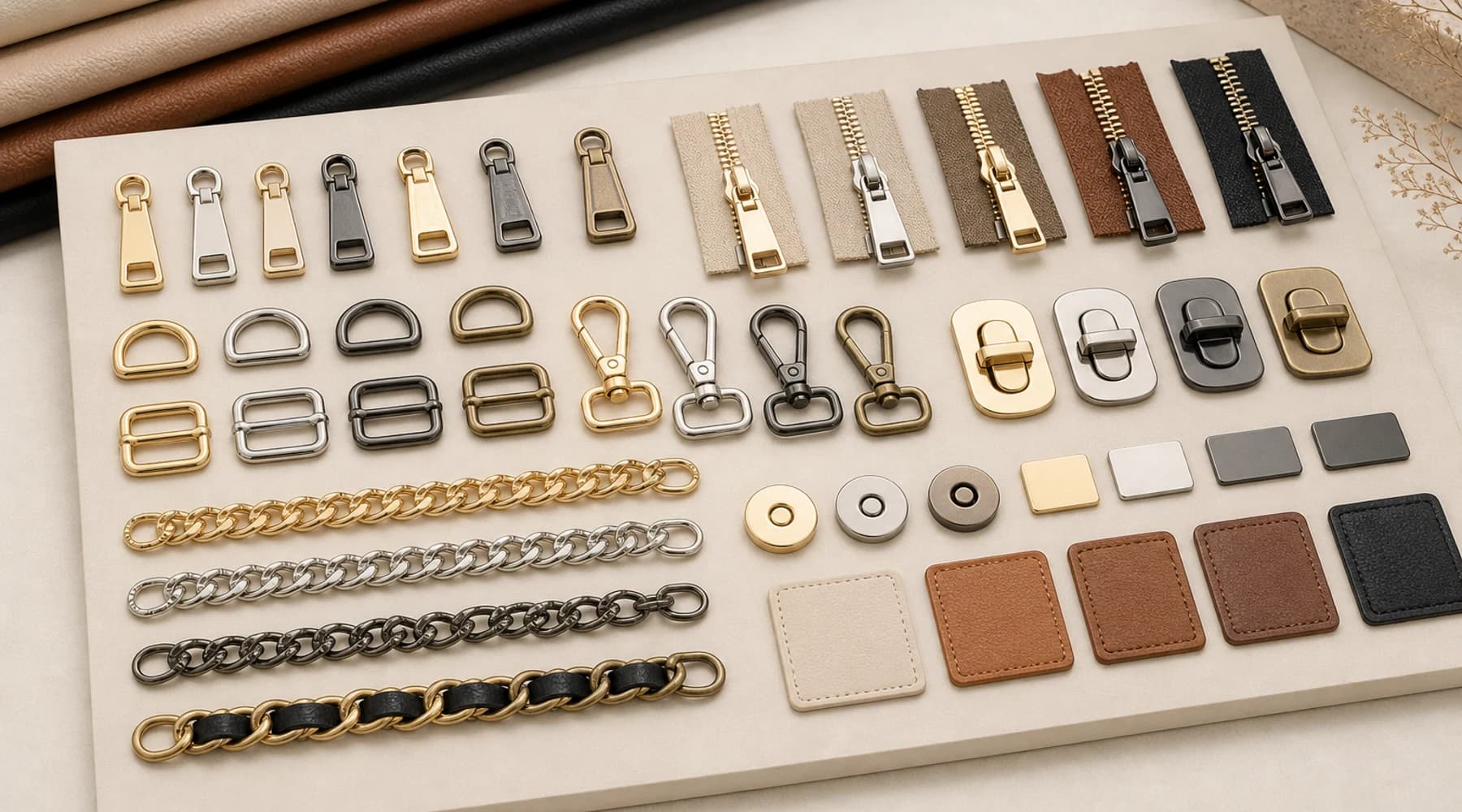
Identify zipper, magnetic flap, frame clasp or another mechanism. Review alignment, opening effort and the finish of exposed edges. For decorative surfaces, discuss attachment and snagging risks before approval. Request corresponding physical samples or close-ups; a mood image is design direction, not proof that a chosen closure or surface has been tested.
List detachable parts and packing
State whether a chain, wrist strap, internal pocket or protective bag is included. Check how a removed chain is stored and whether it can mark the surface during transport. Packing should suit the actual structure. A rigid shell and a foldable pouch should not automatically share the same carton arrangement or shipping assumptions.
Request evidence before commitments
Send your brief for a feasibility discussion before planning a launch around an unconfirmed sample date or quantity. Ask which components require separate sourcing or tooling. Where no matching real sample is available, keep the project at the enquiry stage. Do not describe illustrative images as finished stock or promise customization on an existing stock offer.